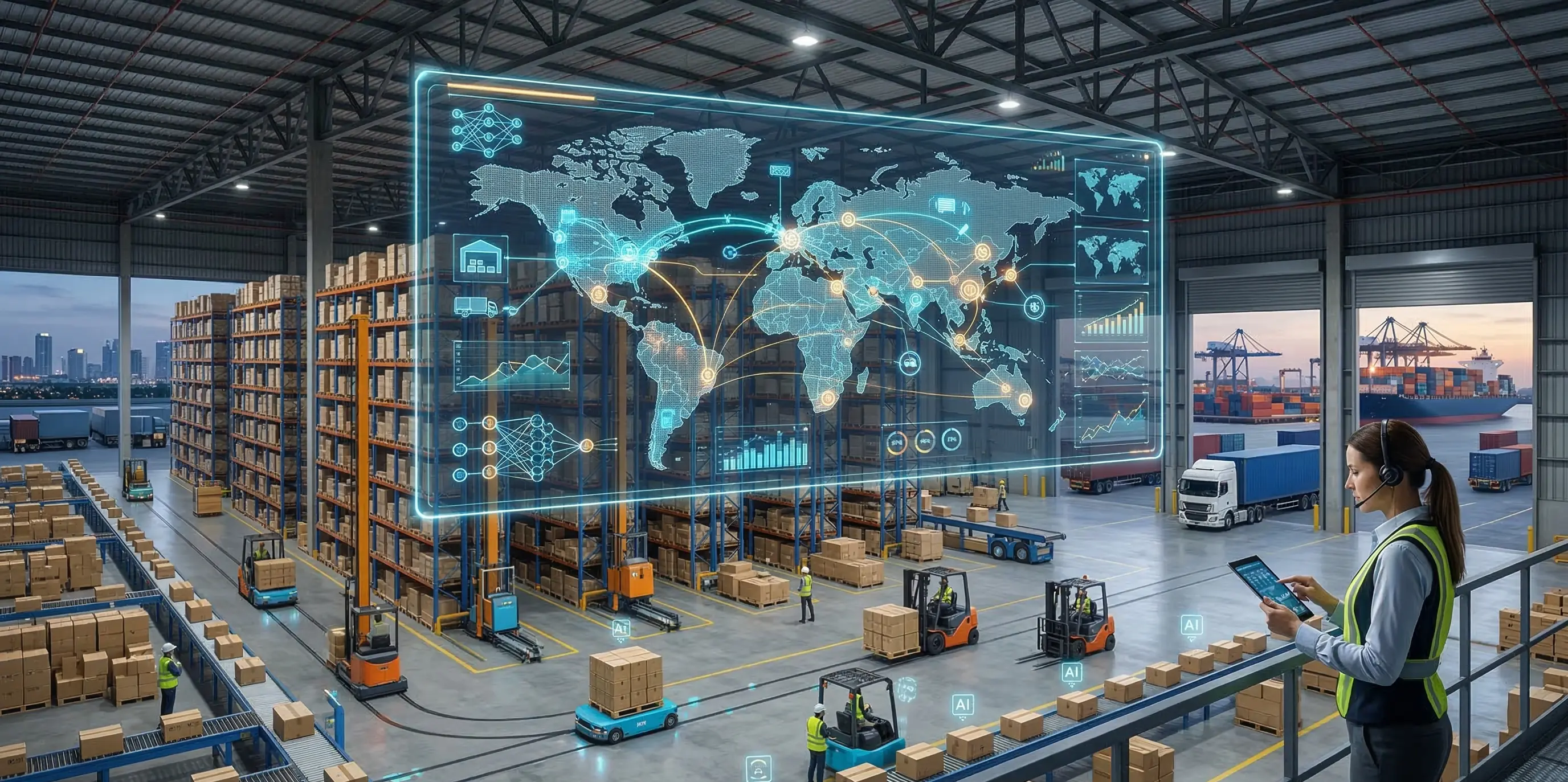
AI Integration for Logistics & Supply Chain
Industry Solution

AI Integration for Logistics & Supply Chain

Optimize routes, predict disruptions, and automate back-office operations with advanced AI integrations.

Measurable Results

Measurable Business Impact

55%

Back-office Efficiency

Reduction in manual data entry for shipping documentation.

+12%

On-Time Delivery

Improvement in SLA compliance through predictive routing.

+8%

Fuel Efficiency

Lower fuel consumption achieved through AI route optimization.

Common Challenges

Logistics companies manage incredibly complex, data-heavy operations where minor inefficiencies or delays compound into massive cost overruns.

  • Inefficient route planning and resource allocation
  • Inability to predict and proactively manage supply chain disruptions
  • Manual processing of bills of lading, customs docs, and invoices
  • Siloed data preventing real-time operational visibility

How AI Transforms Logistics

AI integrations can assist by:

  • Predictive analytics for demand forecasting and delay prediction
  • AI-driven route optimization and dynamic dispatching
  • Intelligent Document Processing for shipping manifests and invoices
  • Automated customer updates and exception management
  • Warehouse inventory optimization algorithms

Investment Signal

Enterprise conversations should begin with directional context.

Enterprise engagements typically begin with a Discovery Engagement in the $5,000-$9,500 range: a fixed-fee review of current workflows, automation opportunity sizing, and a prioritized implementation roadmap. Build-phase programmes are then scoped against the complexity, integration depth, security requirements, and operational change involved, with many transformation initiatives landing in the $18,000-$75,000+ range. Pricing follows the business case and scope, not a public rate card.

Performance Data

Operational Efficiency Metrics

Average hours spent per week on manual coordination and reporting.

Route Planning

Before AI

30 hours

After AI

5 hours

Reduction

25 hours

Data Reporting

Before AI

25 hours

After AI

2 hours

Reduction

23 hours

Doc Processing

Before AI

40 hours

After AI

8 hours

Reduction

32 hours

Issue Tracking

Before AI

15 hours

After AI

3 hours

Reduction

12 hours

Featured Case Study

Predictive Supply Chain Visibility

Global Freight & Logistics Provider

The Challenge

Customer service teams were overwhelmed with 'Where is my freight?' calls, and operations lacked the ability to predict port delays, resulting in missed SLAs and high demurrage fees.

The Solution

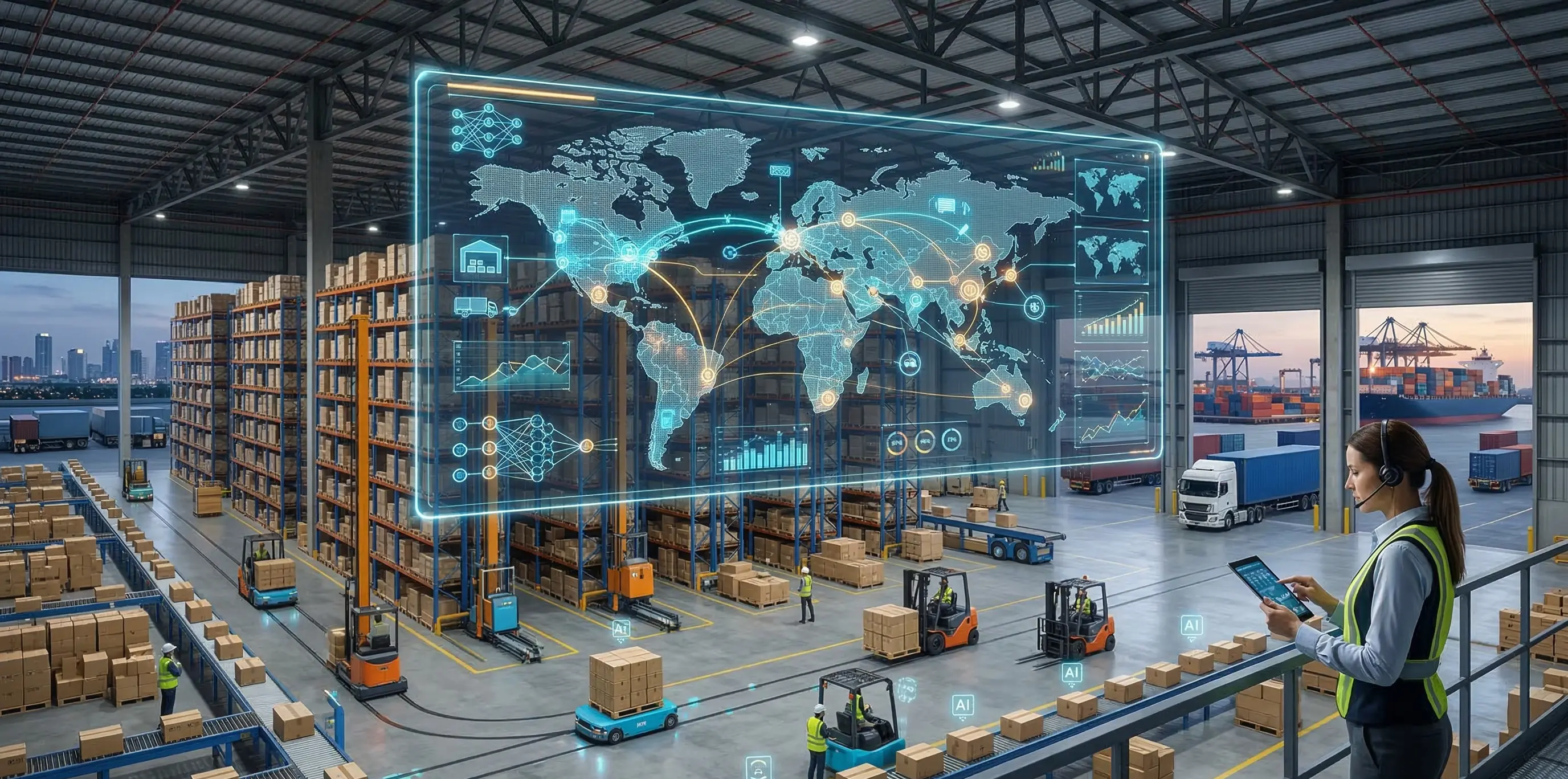
Nexithon built an AI-powered control tower that aggregated data from telematics, port schedules, and weather APIs. The system predicted delays days in advance and automatically alerted customers with revised ETAs.
Key Results

  • Reduced inbound customer status calls by 60%
  • Decreased demurrage and detention fees by $1.2M annually
  • Improved on-time delivery predictability to 94%
  • Automated 10,000+ weekly customer communications
Case Study

Common Questions

FAQs about Logistics & Supply Chain

These answers are designed to make it easier for teams evaluating AI integration to understand fit, starting scope, and implementation expectations.

What does AI integration for Logistics & Supply Chain usually include?

It usually starts with the workflows that create the most repeatable drag for logistics & supply chain teams, then connects automation, data handling, reporting, and team handoffs around the systems already in use.

Which logistics & supply chain workflows are usually the best first candidates for AI?

The strongest starting points are typically high-volume, rules-based tasks such as document handling, follow-up, intake, reporting, coordination, and repetitive review work where the time savings are visible quickly.

Can Nexithon work with the software logistics & supply chain teams already use?

Yes. Nexithon’s approach is built around integration with existing operational systems wherever practical, so the goal is usually to improve current workflows rather than force a disruptive rip-and-replace project.

When should logistics & supply chain teams start with an AI Opportunity Briefing?

The briefing is the right starting point when multiple stakeholders, system dependencies, governance requirements, or larger implementation decisions need to be aligned before a build phase is scoped.

Ready to frame logistics AI as an operational transformation initiative?

Book an AI Opportunity Briefing to talk through routing, visibility, reporting, and the implementation realities behind a logistics-focused Discovery Engagement.

Book an AI Opportunity Briefing